General Glass FAQs
FAQs
Questions on glass? Below are some of the most commonly asked questions pertaining to auto and residential glass.
What is Windshield Calibration & When is it Required to be Performed?
While it may seem like your windshield is simply a piece of glass that allows you to see the road clearly, there’s more to it than meets the eye.
Modern windshields have cameras, sensors, and other technological accessories under the advanced driver assistance systems or ADAS, which need to be calibrated.
Windshield calibration is adjusting, testing, and repositioning misaligned electronic systems. The process is completed by using measurement instruments and equipment that set sensors and cameras at the right angle and function. New vehicles are correctly calibrated from the manufacturer and only require recalibration as the unit ages, when it undergoes windshield replacement, wheel alignment, or after minor accidents.
What is ADAS Windshield Calibration?
Advanced Driver Assistance Systems (ADAS) refer to vehicular technology composed of radar, sensors, and professionally mounted cameras. These features help prevent road accidents and other driving hazards, as it plays a crucial role in safety, it requires perfect calibration.
An ADAS windshield calibration involves proper alignment, camera lens adjustments, testing, and electronic checkup to ensure the systems are working and receive precise data.
Sensors and cameras must be accurately positioned. Otherwise, it could compromise the precision of the captured image and the advanced features of the ADAS system, which include the following:
- Adaptive Cruise Control
- Autonomous Emergency Braking System
- Blind Spot Detection
- Collision Avoidance
- Cross Traffic Alert
- Forward Collision Warning (FCW)
- Lane Departure Warning (LDW)
- Park Assist
- Pedestrian Detection
- Proximity Monitoring
- Rear Collision Warning (RCW)
- Traffic Sign Recognition
Types of ADAS Calibration
There are two types of ADAS windshield calibration: dynamic and static. The main difference between the two is that dynamic calibration requires the vehicle to be driven, while static calibration can be completed with the vehicle parked.
Dynamic: Also called mobile calibration, this type uses a handheld device plugged and connected to the vehicle’s systems. It is then driven following specific parameters, including speed, distance, and certain environmental conditions (weather, curved road, alongside other vehicles, etc.).
Static: With static calibration, the vehicle remains stationary. The calibration process is completed by a professional auto glass repair technician with a calibration certificate, where ADAS calibration equipment is used. Each module and feature is tested using measurement devices like aiming targets, calibration tablets, fixtures, alignment racks, and a scan tool.
Both dynamic and static calibrations must be performed by professional calibration technicians. You can’t (and shouldn’t) do it on your own, as setting a precise positioning of the camera and sensor alone has to be perfect. Plus, the entire calibration process must be free of measurement errors.
The calibration type your vehicle needs depends on the original equipment manufacturer’s (OEM) calibration standard. They cannot be switched in place of the other. If you have calibration uncertainty, contact Superior Windshield Repair.
Importance of ADAS Calibration
Your vehicle has to undergo ADAS windshield calibration since it’s highly possible that the sensors get misaligned, especially with age. It could be due to a collision, parts replacement, or a fender bender.
ADAS systems work by collecting information outside the vehicle and prompting a response to the situation. However, if there’s inaccuracy in the data collected (distance from potential collision, traffic signs, pedestrian information, etc.), it won’t be able to activate the right system or respond altogether.
So, If the repositioning is not corrected, there could be signaling problems that might jeopardize your safety as a driver, your passengers, and the people nearby. For example, if the emergency braking system experiences delays in signaling, you won’t be able to stop your car in time to avoid a collision.
It’s also important to note that sensor damage may not be visible. So, a checkup and frequent monitoring of the dash warning light are essential.
When Do You Need an ADAS Calibration?
You will need to calibrate or recalibrate your ADAS windshield when the systems were altered due to repairs in the windshield, after wheel alignment, or when the mounted cameras have been compromised or damaged. Specifically, consider windshield recalibration when the following events occur.
1. During Windshield Replacement
Auto glass replacement warrants ADAS recalibration. This is because windshields for modern vehicles are not just glass barriers. It contains sensors, noise reduction layers, and other accessories that require calibration, depending on the manufacturer.
2. When sensors are compromised
There may be instances where the sensors are disconnected from the system. Even if it’s reconnected, it still needs recalibration. ADAS has to be precise, as a discrepancy short of one millimeter to its proper position can influence data malfunction.
Unfortunately, sensor displacement can be hard to track with the naked eye. If you’re unsure, your best bet is to consult a certified ADAS windshield calibration shop near you.
3. After a wheel alignment
Bad wheel alignment should not be ignored, once you get the alignment fixed, don’t forget to have your ADAS recalibrated.
During the calibration process, your steering wheel sensors often undergo adjustment. So, if you don’t have your ADAS checked and recalibrated, there’s a good chance that it might prompt actions not perceived by the steering command. For example, you may experience steering problems like increased pull and vibrations, which suggest sensor issues.
4. During vehicle repair after an accident
Major vehicle damage always includes ADAS windshield calibration. But in some cases, car owners forget to have one with minor repairs for a fender bender or light collision. However, not doing so can endanger your safety on the road. During these events, the vehicle experiences impact, light as it may be, that displaces the sensors.
Other Things You Need To Know About ADAS Calibration
While ADAS comprises advanced technology, understanding its calibration and recalibration isn’t complicated. Just keep in mind that the purpose of the calibration procedure is to ensure that the systems are functioning as they should be. Still, there are some things you should know to level your expectations.
- Not all vehicles are suited for dynamic calibration, as some require an alignment rack.
- Some OEMs include ADAS light that flashes or turns on with sensor issues.
- Not all sensors require calibration. For example, ultrasonic sensors typically have a wide angle resolution, so slight movement won’t strongly impact its function. If you’re unsure, refer to your OEM accuracy specifications on sensors.
- Pre-scans may be necessary before the calibration and post-repairs, depending on the vehicle.
Frequently Asked Questions
Is ADAS vehicle-specific?
Yes, not all ADAS are created equal, as the systems depend on the OEM. Some manufacturers provide the basics of an ADAS, while others have native systems built-in and other advanced features. Therefore, you should always check the OE detailing information or, better yet, find a shop that is well-versed in the manufacturer.
How long does an ADAS calibration take?
The ADAS windshield calibration can take from one to six hours, on average, depending on the type of calibration carried out, or the damage mended. Overall, the calibration process takes time to hit the right precision requirement of the vehicle. Likewise, the amount of work also determines the cost of calibration.
What happens if I don’t calibrate my windshield?
Failing to calibrate your ADAS windshield can put your safety at risk. When the misalignment of the sensors and cameras is not corrected, the data captured may not match the automated action generated by the systems. This could lead to the vehicle failing to avoid collisions or getting accurate views of the road.
How do I get my windshield calibrated?
Windshield recalibration should be done by auto glass repair and replacement professionals. Specific measurement devices and equipment are used for this process. Plus, the calibration should match the requirements of the OEM.
What is safety glass and why do I need it in my home or office?
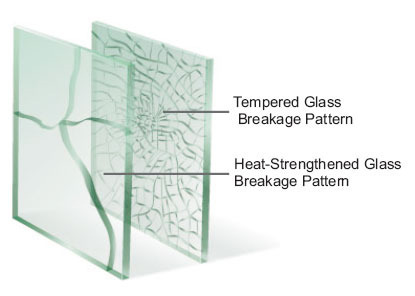
"Safety glass" is a term given to specific types of glass that when broken will break in such a way as to minimize potential injury to people. This is in contrast to standard "plate glass" which breaks into large shards that could result in a personal injury. The most common types of safety glass are tempered, laminated, acrylic and polycarbonate. Uniform building codes have been created that address specific applications for residential and commercial buildings and assure the public's safety when followed. Safety glass is required in applications such as patio doors, side lights, patio furniture glass, etc.
What are double pane/insulated window units?
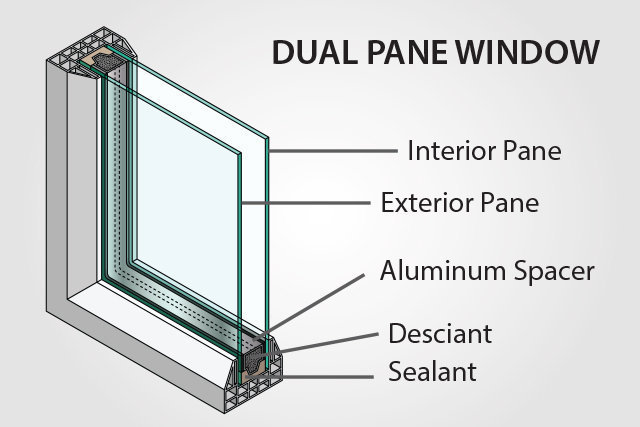
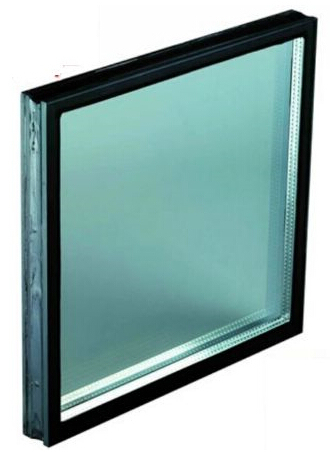
Most new homes being built today are built with double pane or insulated windows. These terms are generally used interchangeably. Double pane windows are composed of two pieces of glass joined by a spacer, which creates an “air space” between the two panes. The air space creates the insulating properties that make these units so energy efficient. The size of the air space determines the insulating value of the window (i.e. a unit with a 1” air space will be more efficient than a unit with a ½” air space). Additional options, such as “Low E” or tinted glass can also increase the energy efficiency.
Only one side of my double pane/insulated window broke, so why do I have to replace both pieces?
Double pane windows are manufactured as airtight units that are able to resist fogging due to a material in the spacer called desiccant. When either the inner or outer piece of glass breaks, the desiccant becomes saturated resulting in loss of insulating value of the unit. Although replacement of an insulated unit is more expensive than single pane glass, the benefits far outweigh the cost. Besides the obvious energy savings benefits, insulated units will also provide important security benefits. In most circumstances, only one of the two glass panes are broken, thus still securing the space until the replacement window can be installed.
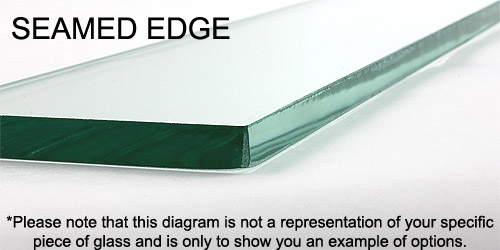
What is a seamed edge?
A "seamed" edge is one that has been lightly sanded to remove any sharp burrs. Glass with a seamed edge is safe to handle but is not decorative. The seamed edge is recommended for all applications in which the edges of the glass are not exposed. For example, if your glass will be installed into the frame of a window, fireplace door, curio cabinet, etc. and no one will see the edges once the glass has been installed, a seamed edge is all you need. For shelves, table tops, or the like, you may want to consider upgrading to a more finished/decorative edge, such as pencil polished, beveled, etc.
How do I know if I need a new shower door?
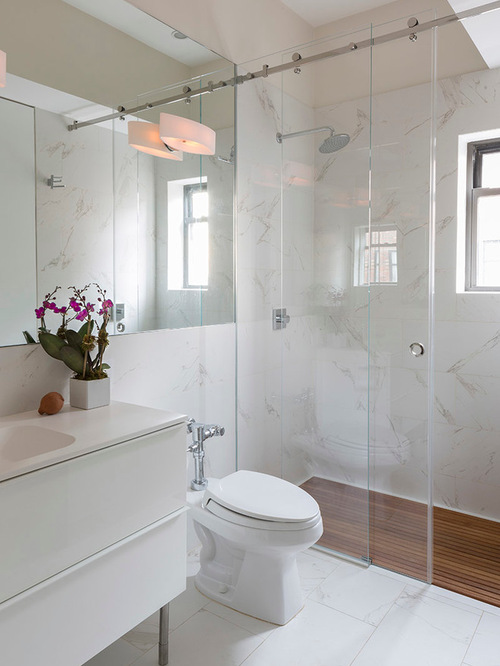
If you find rust or corrosion on the metal, a crack or discoloration on the glass, if the door won’t close or doesn’t fit properly, or you find yourself mopping up after each shower you probably need a new shower door! Also, if you are remodeling a bathroom or building an all new custom bathroom, give Frank’s Glass a call. We carry a full line of shower doors and tub enclosures. Visit our showroom to view the different glass and frame options available. We will come to your home to provide a free estimate.
Do you repair window/door screens?
Yes, Frank’s Glass offers both screen repair and screen replacement services. Call us with the size of your window or screen and we can provide you with an estimate by phone.